

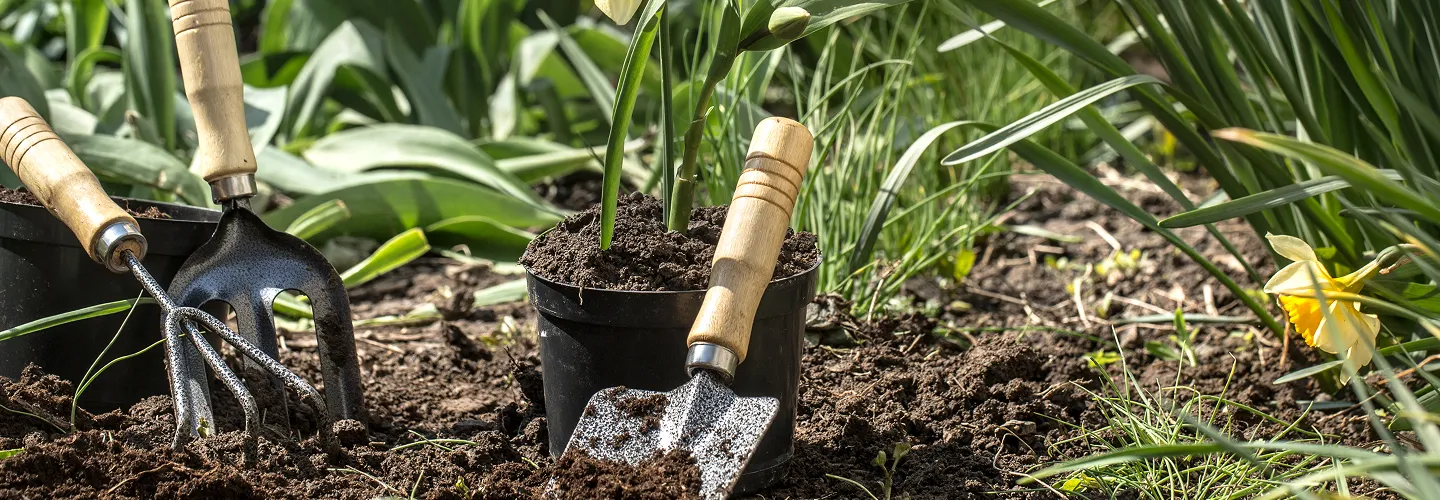
Waltham Fertilizing Lawn Services
Choose our fertilizing lawn services for lush, healthy grass that thrives all season long—expert care, premium products, and proven results for a greener, more vibrant yard.
Get a Free QuoteWhen to Schedule Fertilizing Lawn in Waltham, Massachusetts – Seasonal Guide
In Waltham, Massachusetts, the best times to fertilize your lawn are typically in early spring and early fall. The region’s climate, with its cold winters and humid summers, means that timing is crucial for optimal grass health. Early spring fertilization, just after the last frost date, helps lawns recover from winter dormancy, while a fall application strengthens roots before the colder months. Neighborhoods near Prospect Hill Park or along the Charles River may experience microclimates, so it’s important to consider your specific location.
Local environmental factors such as soil composition, shade from mature trees in areas like Cedarwood, and the risk of summer droughts all play a role in determining the best fertilizing schedule. Pay attention to municipal guidelines and local resources like the Sudbury Conservation Commission for updates on water use and environmental best practices.
Local Factors to Consider for Fertilizing Lawn in Waltham
- Tree density and shade coverage, especially in older neighborhoods
- Soil type and drainage, which can vary between North Waltham and downtown areas
- Average precipitation and risk of summer drought
- Frost dates and seasonal temperature swings
- Terrain, including slopes and low-lying areas prone to runoff
- Municipal restrictions on fertilizer use or watering schedules
Benefits of Fertilizing Lawn in Waltham
Enhanced Grass Growth
Improved Lawn Color
Weed Resistance
Stronger Root Systems
Pest and Disease Protection
Season-Long Lawn Health
Waltham Fertilizing Lawn Types

Cool-Season Grass Fertilization
-
Warm-Season Grass Fertilization
-
Organic Lawn Fertilization
-
Synthetic Fertilizer Application
-
Slow-Release Fertilizer Programs
-
Starter Fertilizer for New Lawns
-
Seasonal Fertilizer Treatments
Our Fertilizing Lawn Process
Soil Analysis
Fertilizer Selection
Application Scheduling
Even Fertilizer Distribution
Post-Application Inspection
Why Choose Waltham Landscape Services
-
Waltham Homeowners Trust Us
-
Expert Lawn Maintenance
-
Reliable Seasonal Cleanups
-
Competitive Pricing
-
Professional Team
-
Satisfaction Guarantee
-
Personalized Service
Contact Waltham’s Department of Public Works for Fertilizer Container Disposal & Municipal Composting Programs
Proper disposal of fertilizer containers and participation in municipal composting are essential for environmental protection in Waltham. Residents should utilize household hazardous waste events, typically held 2–4 times annually, for liquid fertilizer containers after performing a triple-rinse procedure. Plastic fertilizer bags may be accepted in municipal recycling—always check local guidelines. Biodegradable paper packaging should be placed in yard waste collection (April–November). Waltham’s finished compost, with a typical N-P-K of 1-1-1 to 2-2-2, is available through bulk delivery and seasonal distribution, supporting soil health and sustainability. In the event of a fertilizer spill, immediately contain with absorbent materials, notify emergency services (911 for major spills), and contact the Department of Public Works for cleanup guidance. Never dispose of fertilizer in regular trash, storm drains, or streets; always store products securely in original, labeled containers.
Waltham Public Works Department
165 Lexington Street, Waltham, MA 02452
Phone: (781) 314-3800
Official Website: Waltham Public Works Department
Professional Soil Testing & Nutrient Assessment Requirements for Waltham’s Glacial Till & Rocky Upland Soils
Soil testing is mandatory for responsible nutrient management in Waltham’s glacial till and rocky upland soils. The UMass Soil & Plant Nutrient Testing Lab provides comprehensive analysis, including pH (typically 5.5–6.5), nitrogen, phosphorus, potassium, organic matter, and micronutrients. Target a pH of 6.0–7.0 for cool-season grasses by applying dolomitic lime (50–100 lbs per 1,000 sq ft to raise pH one unit, with effects over 6–12 months). Use the USDA Web Soil Survey to identify drainage, organic matter (2–4% common, target 4–6%), and site-specific factors such as shade (reduce nitrogen by 25–30%) and compaction. Develop a written nutrient management plan based on soil test results, following UMass Extension recommendations (0.75–1.0 lb N per 1,000 sq ft per application, max 3–4 lbs N annually, split into 3–4 applications).
- Mandatory soil testing every 3 years
- Adjust lime based on pH results
- Account for sun/shade, traffic, and compaction in nutrient plan
Massachusetts Fertilizer Regulations & Professional Licensing Requirements for Waltham
Fertilizer use in Waltham is governed by Massachusetts General Laws and local ordinances, with special attention to phosphorus restrictions in watershed communities. Phosphorus is prohibited except for new lawns or documented soil deficiency (below 30 ppm). Nitrogen applications should not exceed 0.9–1.0 lb N per 1,000 sq ft per application. Commercial applicators must hold MA Department of Agricultural Resources (MDAR) Category 36 licensing, complete specialized training, and maintain business registration with Waltham. Detailed records of applications, weather, and soil test results are required for compliance and liability. Commercial operators must carry general liability insurance (minimum $1M per occurrence), environmental impairment coverage, and workers’ compensation.
- Phosphorus use only with soil test documentation
- MDAR Category 36 license required for professionals
- Maintain application and weather records
- Insurance and bonding for municipal contracts
Waltham Conservation Commission Requirements for Fertilizer Application Near Wetlands & Protected Areas
Fertilizer application near wetlands and protected areas in Waltham is regulated under the Wetlands Protection Act (M.G.L. c. 131, § 40). Permits or notifications are required for work within 25–100 feet of wetlands or streams, and no-fertilizer buffer strips are mandatory. Organic-only fertilizers are recommended in sensitive zones to protect groundwater and surface water from nutrient runoff, which can cause algae blooms and eutrophication. Application techniques must avoid impervious surfaces, and deflector shields are required near water bodies. Timing should avoid rain events (>0.5 inches forecast within 48 hours) and follow National Weather Service guidance. Pollinator and beneficial insect protection is emphasized, especially during peak flowering (May–September).
Waltham Conservation Commission
119 School Street, Waltham, MA 02451
Phone: (781) 314-3843
Official Website: Waltham Conservation Commission
Seasonal Fertilization Calendar & Weather Timing for Waltham’s Climate Zone 6b
Waltham’s climate (USDA Zone 6b) requires careful timing of fertilizer applications to maximize turf health and minimize environmental risk. Early spring (April–May, soil 50–55°F): apply 0.5–0.7 lbs N per 1,000 sq ft. Late spring (late May–early June): optional light application if needed. Summer (July–August): avoid fertilization during heat/drought. Primary fall (September): most important, apply 0.9–1.0 lbs N per 1,000 sq ft. Late fall (October–November): final application of 0.7–0.9 lbs N (slow-release). Always coordinate with weather forecasts, ensuring 24–48 hours rain-free and wind below 10 mph (granular) or 5 mph (liquid). Adjust for microclimates, shade, and soil moisture.
- Spring: light, only when soil is workable
- Summer: avoid during stress
- Fall: primary and late applications critical
- Monitor weather and soil conditions
Water Quality Protection & Stormwater Management in Compliance with Waltham’s MS4 Program
Waltham’s MS4 (Municipal Separate Storm Sewer System) program, regulated by MassDEP, requires best management practices (BMPs) to prevent nutrient runoff and protect local water bodies. Proper equipment calibration, immediate cleanup of fertilizer from impervious surfaces, and maintenance of buffer strips (10–25 feet from water bodies) are essential. Secondary containment is required for mixing/loading at commercial sites. Soil-test-based applications reduce unnecessary fertilization, especially phosphorus, and support long-term soil health. Integration with green infrastructure, such as rain gardens and permeable pavement, further reduces nutrient loading. Detailed record-keeping and coordination with municipal monitoring are required for compliance.
- Calibrate equipment annually
- Maintain buffer strips
- Document applications and weather
- Integrate with green infrastructure
Professional Application Standards, Equipment Calibration & Safety Protocols
Professional fertilizer application in Waltham requires MDAR Category 36 certification, specialized training, and strict adherence to safety protocols. Equipment must be calibrated annually using catch pan testing, with uniform distribution ensured by overlapping passes and edge guards. Application speed should be 3–4 mph (rotary) or 2–3 mph (drop spreaders). Personal protective equipment (PPE) includes safety glasses, dust masks, chemical-resistant gloves, and long sleeves. Equipment must be inspected daily, and emergency response procedures (eye wash, MSDS/SDS on-site) must be in place. Pre-application soil test verification and post-application monitoring are required for quality control.
- Annual equipment calibration
- Use PPE and inspect equipment
- Document application rates and results
- Educate customers on post-application care
Integrated Nutrient Management & Organic Fertilizer Options for Waltham’s Acidic Soils
Sustainable nutrient management in Waltham prioritizes cultural controls and organic options. Maintain mowing heights of 3–4 inches for Kentucky bluegrass and 3.5–4 inches for tall fescue. Grasscycling returns up to 1 lb N per 1,000 sq ft annually. Core aeration (spring/fall) improves nutrient uptake, and overseeding with improved cultivars reduces nitrogen needs. Use slow-release nitrogen (minimum 50% slow-release) and organic fertilizers (compost-based, feather meal, alfalfa meal) to enhance soil biology. Apply dolomitic lime (50–100 lbs per 1,000 sq ft) to raise pH gradually. Annual compost topdressing and beneficial microorganism inoculation support long-term soil health and reduced input needs.
- Prioritize mowing, grasscycling, aeration
- Use slow-release and organic fertilizers
- Apply lime to optimize pH
- Enhance soil with compost and microorganisms
Waltham Community Development Guidelines for Fertilizer Application & Public Safety Protection
The Waltham Community Development Department and Board of Health oversee public notification, re-entry intervals, and safety setbacks for fertilizer applications. Advance posting may be required, with signs remaining for 24–48 hours post-application. Maintain setbacks of 50–100 feet from wells, playgrounds, and schools. Applications should be timed to avoid weekends and coordinate with school schedules. Emergency contacts (poison control, 911) and SDS must be available on-site. Equipment should be decontaminated between properties, and storage must be secure, dry, and labeled. Community education programs promote safe practices and sustainable alternatives.
Waltham Economic & Community Development
119 School Street, Waltham, MA 02451
Phone: (781) 314-3370
Official Website: Waltham Economic & Community Development
What Neighborhoods Do We Serve Throughout Waltham, MA?
Waltham’s neighborhoods each present unique soil and environmental characteristics. Glenmeadow and Piety Corner feature glacial till and mature landscapes with acidic soils (pH 5.5–6.5), requiring lime and aeration. Cedarwood and Lakeview have urban fill and moderate compaction, with proximity to wetlands and stricter phosphorus limits. The Highlands and Warrendale areas include marine clay and higher organic matter, but require careful drainage management. South Side and Banks Square, with newer developments, often have thin topsoil and establishment fertilization needs. Across all neighborhoods, Kentucky bluegrass dominates, with fine fescue in shaded areas. Community standards vary, with some HOAs mandating professional care and others promoting organic practices. Infrastructure, such as irrigation systems and mature tree canopies, influences nutrient management strategies.
- Glenmeadow, Piety Corner: mature, acidic, compacted
- Cedarwood, Lakeview: urban fill, wetland proximity
- Highlands, Warrendale: marine clay, drainage focus
- South Side, Banks Square: new, thin topsoil
- Varying community standards and infrastructure
Waltham Municipal Ordinances for Fertilizer Application Equipment Operation & Commercial Service Standards
Waltham’s municipal ordinances regulate fertilizer application hours (typically 7:00 AM–9:00 PM weekdays, 8:00 AM–9:00 PM Saturdays; check for Sunday restrictions), business licensing, and MDAR Category 36 certification for commercial operators. Contractors must maintain insurance, environmental impairment coverage, and workers’ compensation. Safety protocols include traffic control, work zone setup, and public notification. Environmental compliance requires proper material handling, vehicle maintenance, immediate cleanup, and waste disposal documentation. Coordination with MassDEP and local ordinances ensures protection of water resources and public safety.
- Adhere to operating hours and licensing
- Maintain insurance and safety protocols
- Document environmental compliance
- Coordinate with municipal and state agencies